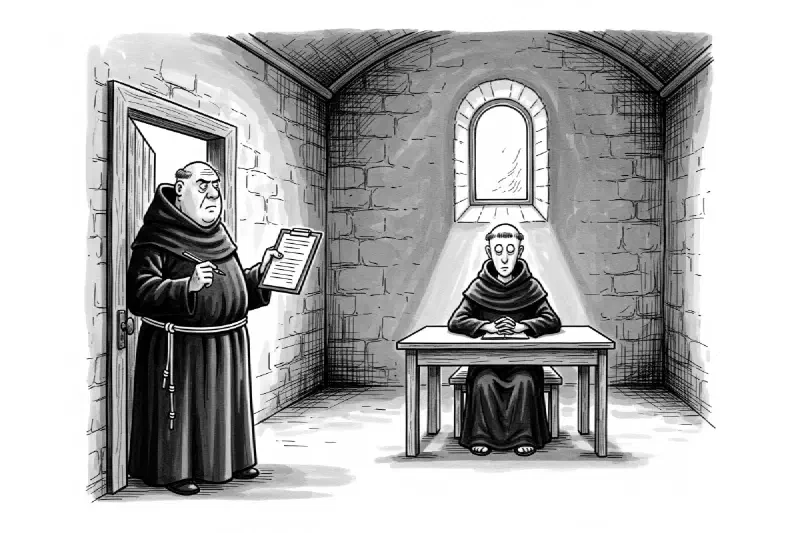
Leadership is how an organisation describes the quality it most wants from its managers and least receives. The literature on it is extensive. The practice of it is, depending on the organisation, somewhere between rare and theoretical.
The ideal is specific: decisive, visionary, capable of communicating clearly under pressure. What fills that space in most structures is someone who has learned that long answers to direct questions function as answers, and that the appearance of momentum is indistinguishable from momentum until the deadline. Transformative leadership initiatives exist to close this gap. They do not close the gap. They restate it in a workshop format.
If you asked the people being led — and this step is typically skipped — the list would be short. Notice when something has gone well. Explain decisions before they are already made. Treat the work as real. This is not the content of leadership seminars. Leadership seminars cover vision, executive presence, and the importance of psychological safety, which is discussed in a room where nobody feels safe saying any of this.
Leadership is the word an organisation uses when it means it wants something it has not yet figured out how to hire for.